
Fuel wars: engine trouble
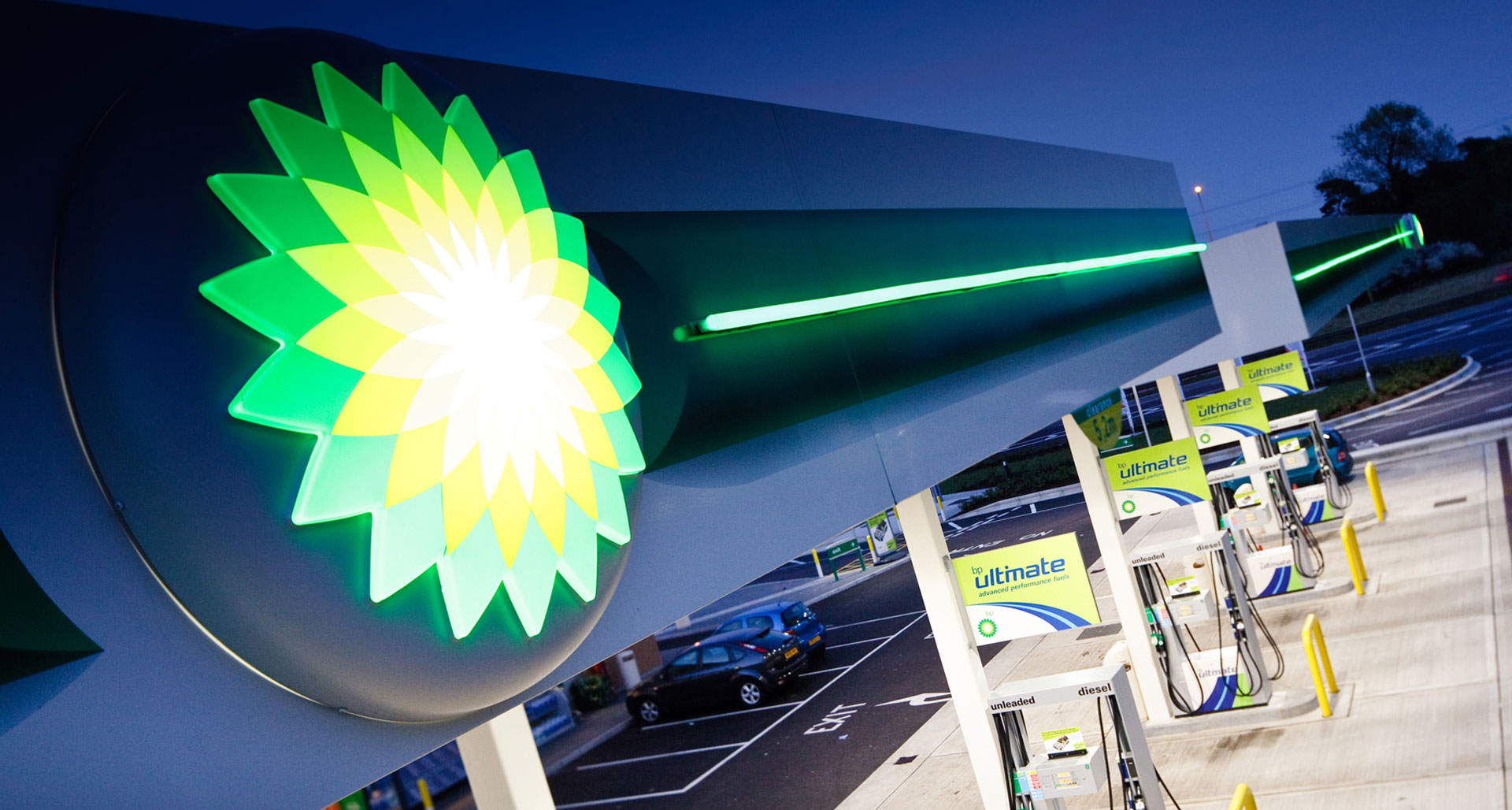
Fuel wars: engine trouble
The retailers dispute the way the oil companies have chosen to
implement the new revenue formula, and accuse them of unethical
behaviour and strong-arm tactics.
If the disputes are not resolved soon, the disagreement over revised
franchise agreements may lead to retailers forfeiting their investments,
with potential job losses amounting to hundreds.
Franchised fuel stations usually employ 15 or more people, depending
on size and location, with staff requirements generally prescribed by
oil companies to meet customer service standards.
Fuel Retailers Association CEO Reggie Sibiya says the conduct of the
oil companies is against the spirit of the amended Petroleum Products
Act, on which the new calculation of fuel margins is based. He says one
of the benefits of the new system is to give retailers an opportunity to
make better margins.
“The behaviour of BP and Caltex means their retailers are being
deprived of what is due to them. The revised franchise agreements they
are being forced to accept are unfair and do nothing to increase their
sustainability,” says Sibiya.
Talks between BP and 320 of its retailers, approximately 60% of its
network of over 500, reached a deadlock at the end of last year,
prompting the BP SA dealer council to send a letter asking for the
intervention of the petroleum controller at the department of energy.
The department declined to get involved in regulating the
entrepreneurial compensation.
In a letter to the SA Petroleum Industry Association, the
representative body of major oil companies, the energy department’s
Tseliso Maqubela said the department’s view was that “the retail margin
should follow the cost of the investment”, which means an entitlement
for both retailer and oil company where both had invested in the retail
infrastructure. It is the exact split that is now in dispute.
In a written response to the Financial Mail’s questions, energy
department spokesman Thandiwe Maimane reiterated the department’s
position that it would not get involved in business arrangements between
oil companies and their retailers. But she said the department would
arrange arbitration should an application be made by any of the parties
in terms of the Petroleum Products Act.
The parties can either appoint an arbitrator or have one appointed by
the petroleum controller. Earlier this week the retailers association
said it was finalising its legal position, which may include
arbitration.
“Arbitration is just one way this can be resolved but we are
exploring other legal avenues as well. A decision will be made shortly,”
says Sibiya.
Meanwhile, BP dealers continue to face pressure from the company to
commit to new agreements despite the impending litigation. A BP dealer
based in Johannesburg, who declined to be named for fear of
victimisation, said the company had informed him that it wanted to
increase the forecourt rental fee to a rate he believes amounts to an
overrecovery.
“The company is increasing the rental from 11c/l to 15,5c/l with no
regard to what my situation is, effectively compromising my ability to
get a better return on my investment,” he said.
Contacted for comment, BP SA spokesman Karen Byamugisha said: “BP SA
is in negotiations with its dealer network on a number of commercial
terms governing the contractual relationship. Details of these
discussions are confidential and we are not commenting further at this
stage.”
BP’s retailers dispute that negotiations are taking place, and
instead claim they have been issued with letters warning them that if
they do not sign new agreements on BP’s terms their rental and franchise
agreements could be cancelled and they may be replaced by new
retailers.
Also unhappy are some franchise dealers of US oil giant Chevron,
which operates as Caltex in SA. They claim the company is retaining a
share of the entrepreneurial compensation even in retail outlets it does
not own. According to the new accounting system this margin is for
recouping investments made in retail operations only.
Caltex could not be reached for comment.
The executive director of the petroleum industry association,
Avhapfani Tshifularo, says the new accounting system offers
opportunities for both wholesalers and retailers, and that he hopes the
dispute between the parties will be resolved soon. The new system
“provides sufficient guidance to the parties to arrive at fair
commercial arrangements. I don’t believe oil companies want to
compromise their own dealers. What is needed is for each investor to
recoup a fair share in line with their investments”, he says.
The arbitration and other litigation may take some time, leaving
retailers in limbo while being forced to accept terms determined by oil
companies. Fearing huge financial losses, some retailers have signed new
agreements despite their deep misgivings.
“What can we do? BP is threatening to terminate our franchise
agreements, and many of us have bank loans to repay, so we have no
choice but to accept their terms,” says another dealer.
To date no retail agreements have been terminated, providing a temporary respite to retailers and their employees alike.